Insights for Scientists Running Smarter R&D

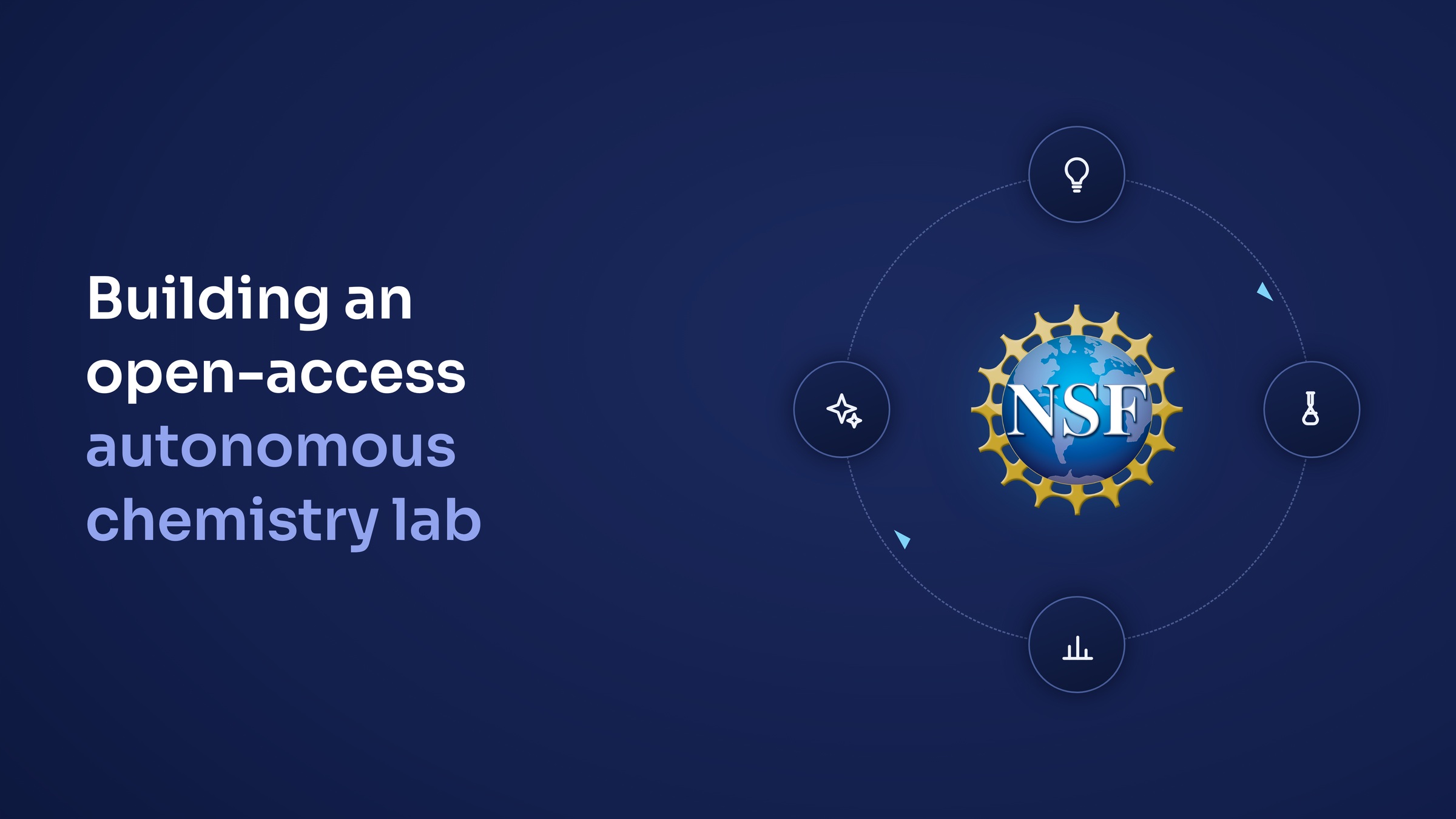
Sunthetics Joins Scripps Research and UCLA on $19.5 Million NSF Initiative to Build an Open-Access Autonomous Chemistry Lab
The NSF has awarded $19.5 million to Scripps Research, UCLA, and Sunthetics to build an automated chemistry lab that US researchers can access remotely. Sunthetics leads the researcher interface and provides its AI-driven modeling and experimentation platform.
Continue reading
Building an open-access autonomous chemistry lab: NSF logo at the center of a closed experimental loop of idea, experiment, results, and AI recommendation
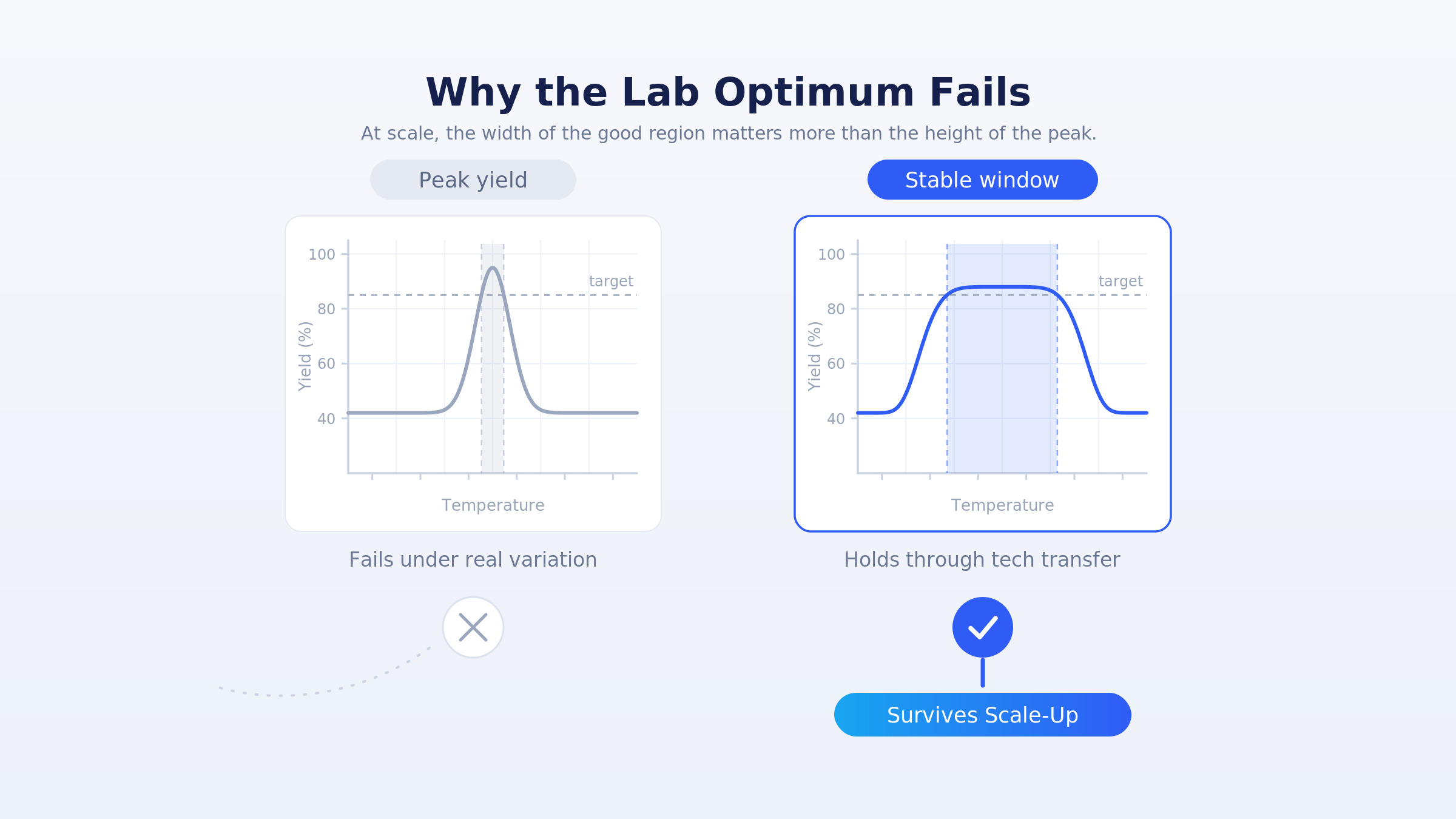
Why the Lab Optimum Fails: Process Optimization for Scale-Up With Small Data
A lab optimum built on one peak yield often collapses at scale. Here is why fragile maxima break, how choosing reliability as the optimization goal changes the outcome, and how teams do it starting from about five data points.
Continue reading
Why the lab optimum fails: a narrow yield peak with a thin operating window above target that fails under real variation, beside a broad plateau with a wide operating window that survives scale-up
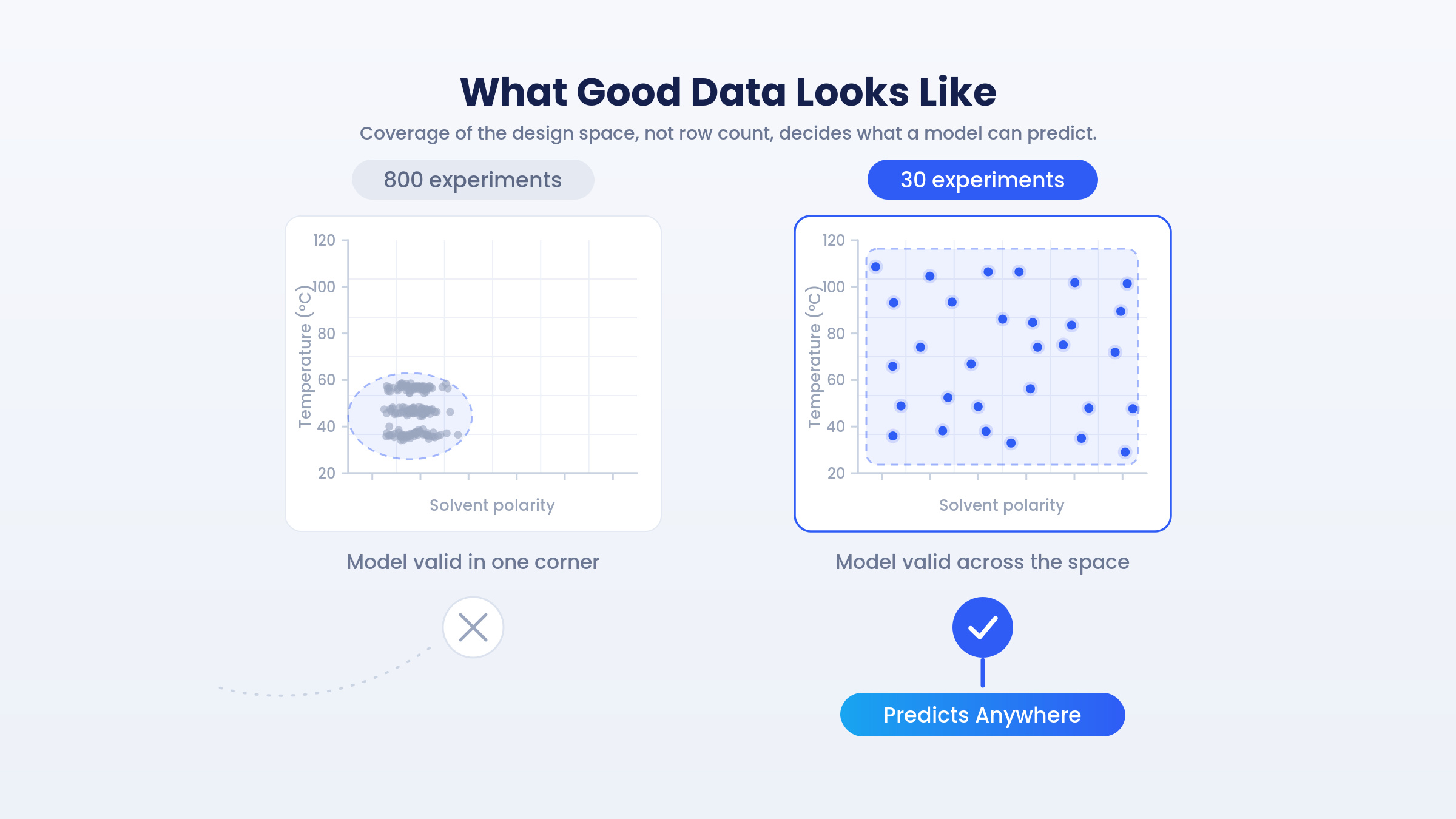
What Good Data Quality Looks Like for R&D Machine Learning
Row count is a poor measure of whether a dataset is worth modeling. Here are the five traits that define good R&D machine learning data, the failure patterns that quietly kill campaigns, and a 10-point audit to run before your next one.
Continue reading
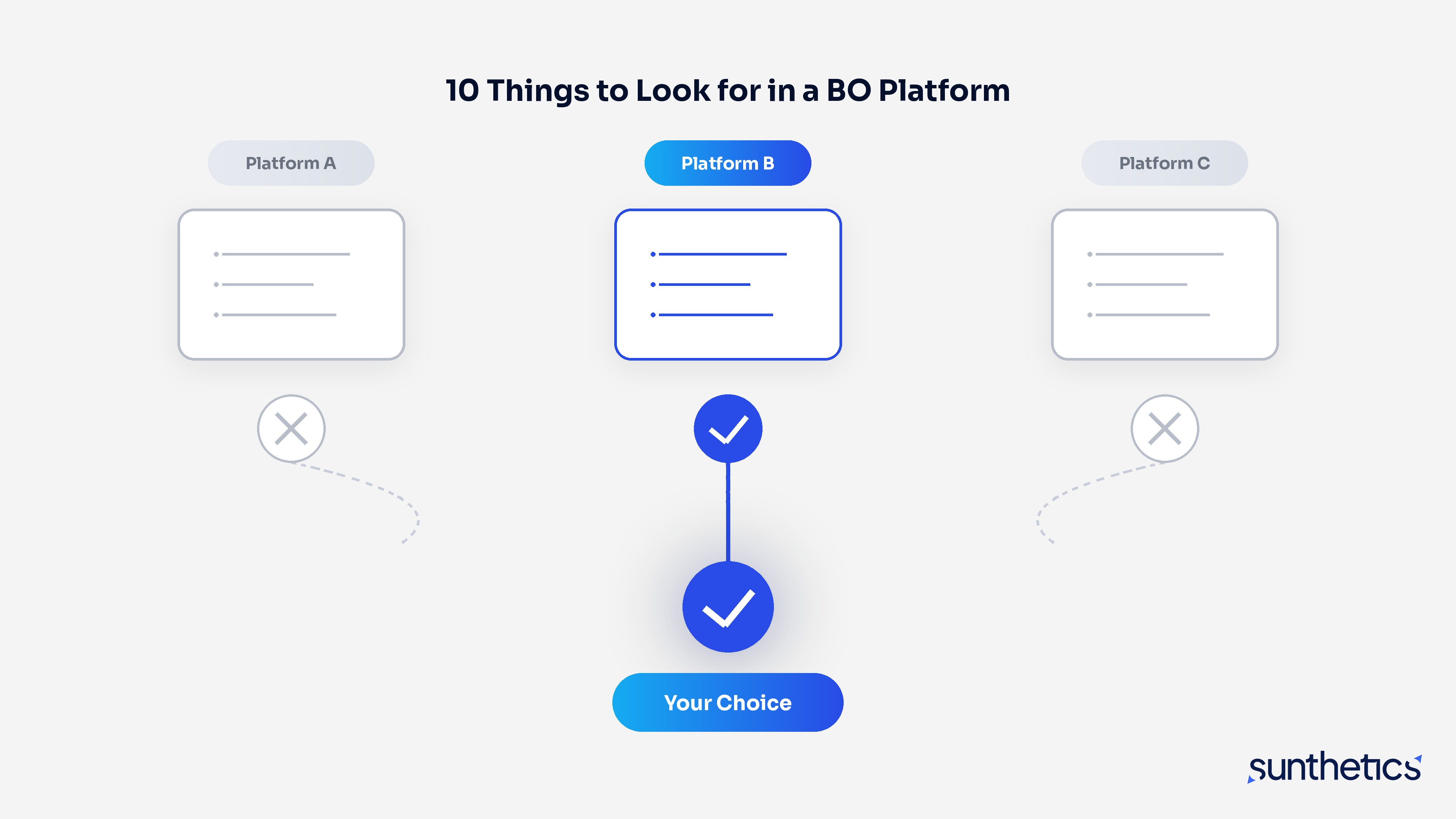
Choosing an ML Platform for Pharma R&D: A Process and Formulation Development Buyer's Guide
Ten criteria for pharmaceutical R&D teams evaluating a machine learning platform for process and formulation development, from small-data performance to vendor credibility. A practical checklist to run before you commit.
Continue reading
10 Things to Look for in a BO Platform: three candidate platforms evaluated, with Platform B selected as Your Choice
Is AI a Black Box in Chemical Process Development
Chemists distrust AI for reaction optimization because it looks like a black box. But most models reveal more than that. Here is what a transparent model shows you, and why it matters in regulated work.
Continue reading
What Good Experimental Data Looks Like for R&D Machine Learning
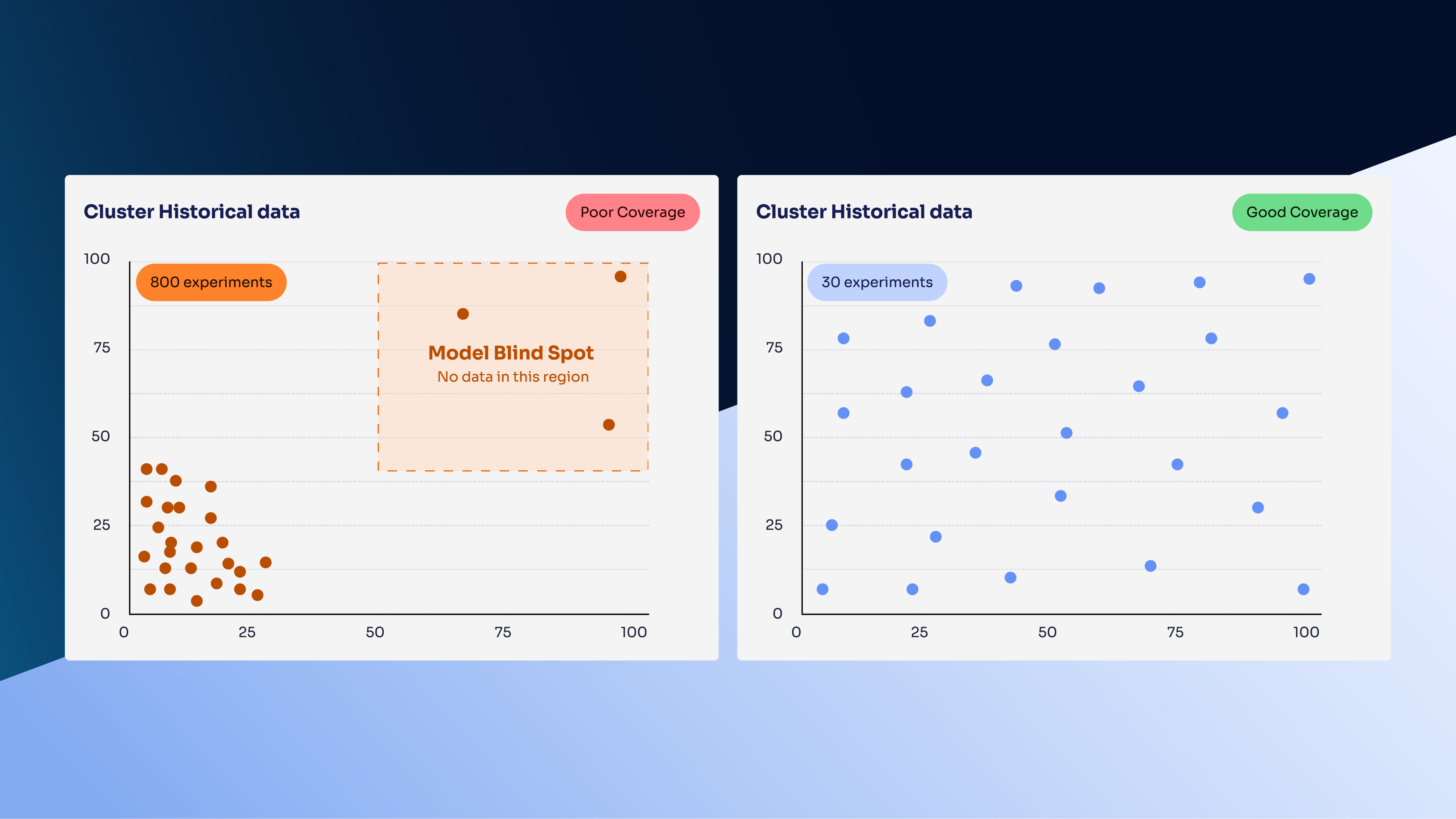
A pharma client handed us 800 historical reactions and asked for a model. The team had spent two years collecting the data. The model we built on it was useless — not because of sample size, but because of data quality.
Continue reading
How to Choose Bayesian Optimization Software for Pharmaceutical R&D
Most R&D leaders evaluating BO software lose six months in the wrong category before they realize they picked the wrong tool. Campaign windows don't recover from that
Continue reading
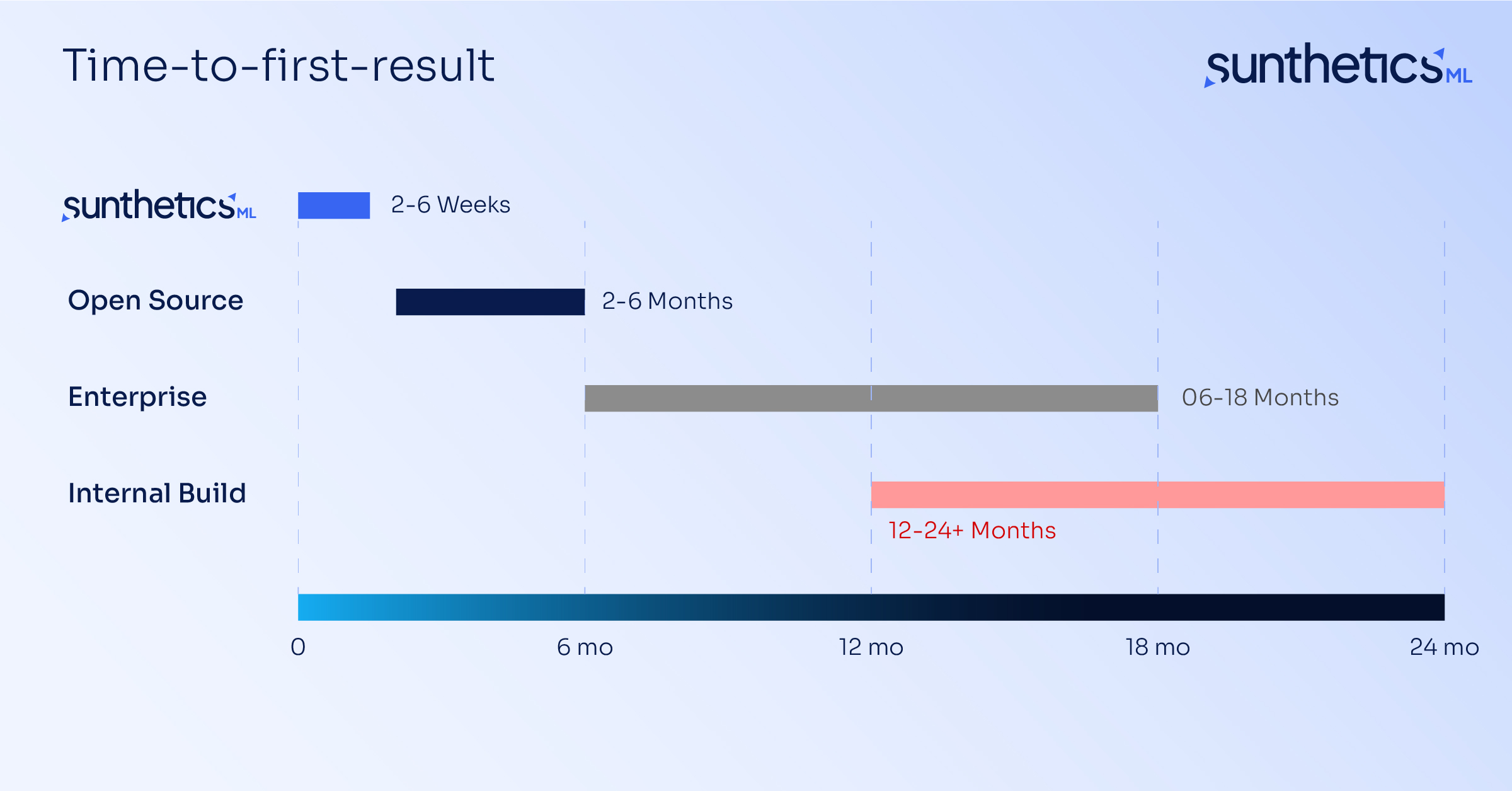
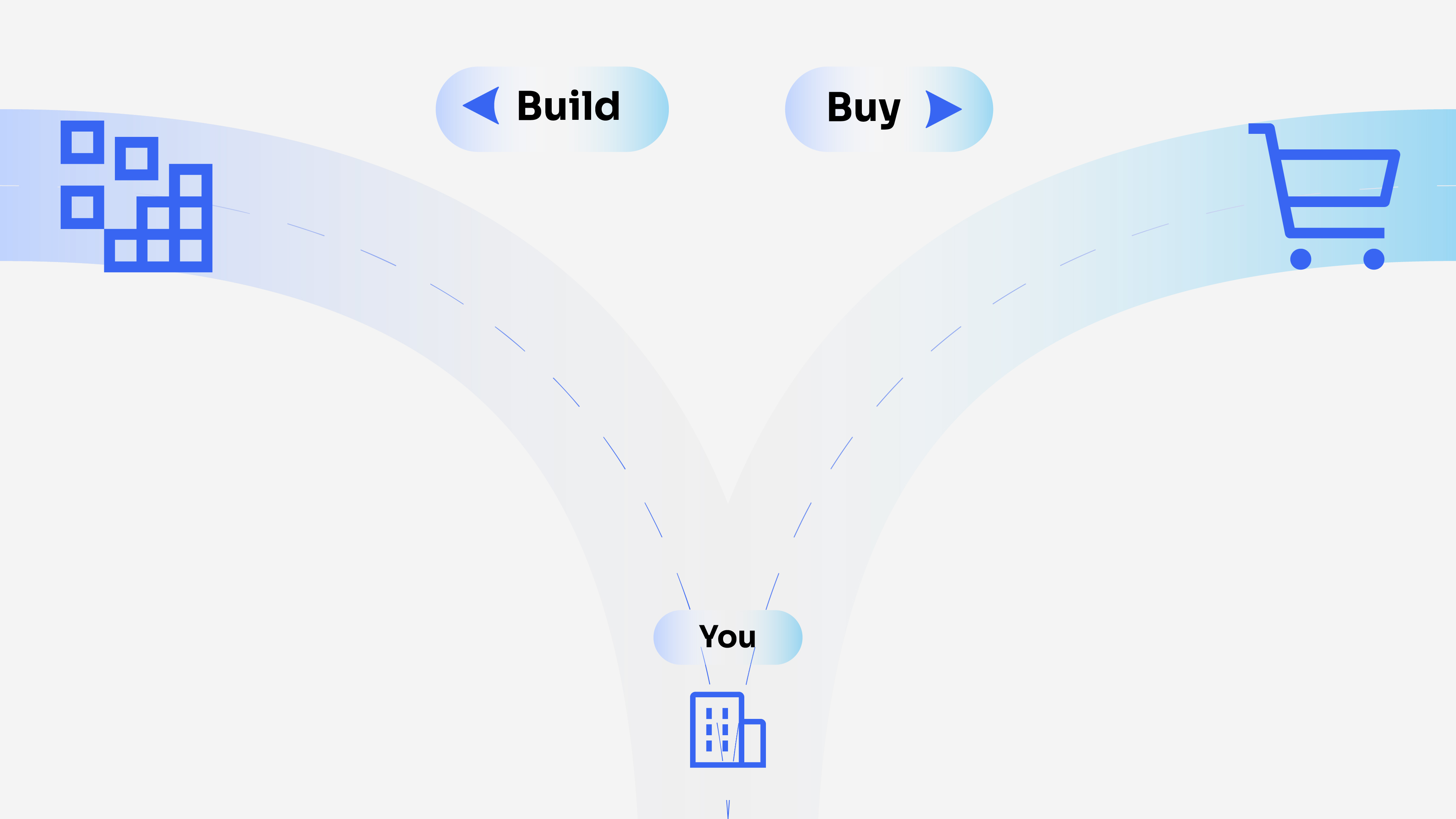
How to Decide Between Building or Buying Machine Learning Software for R&D
Most R&D teams that build ML optimization software in-house spend $1.2M or more in year one before getting a single usable result. Here's what the procurement spreadsheet misses and how to make the right call for your programs.
Continue reading
How SuntheticsML Guides Experiments Without Becoming a Black Box
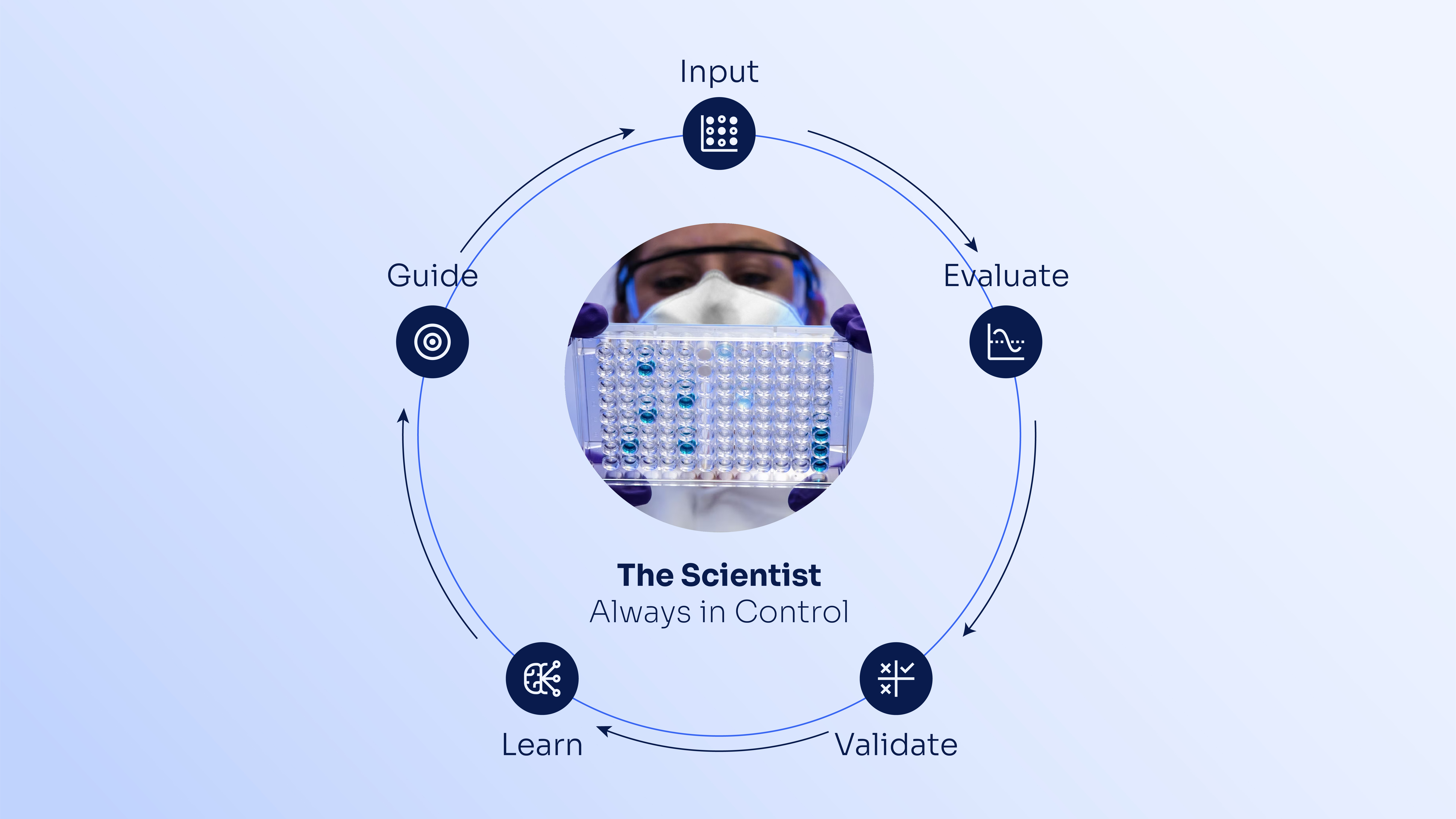
AI in chemical R&D often lacks transparency, making results hard to trust. SuntheticsML™ uses multi-model, small-data learning to show reasoning and guide experiments. It supports scientists’ decisions without replacing their control.
Continue reading
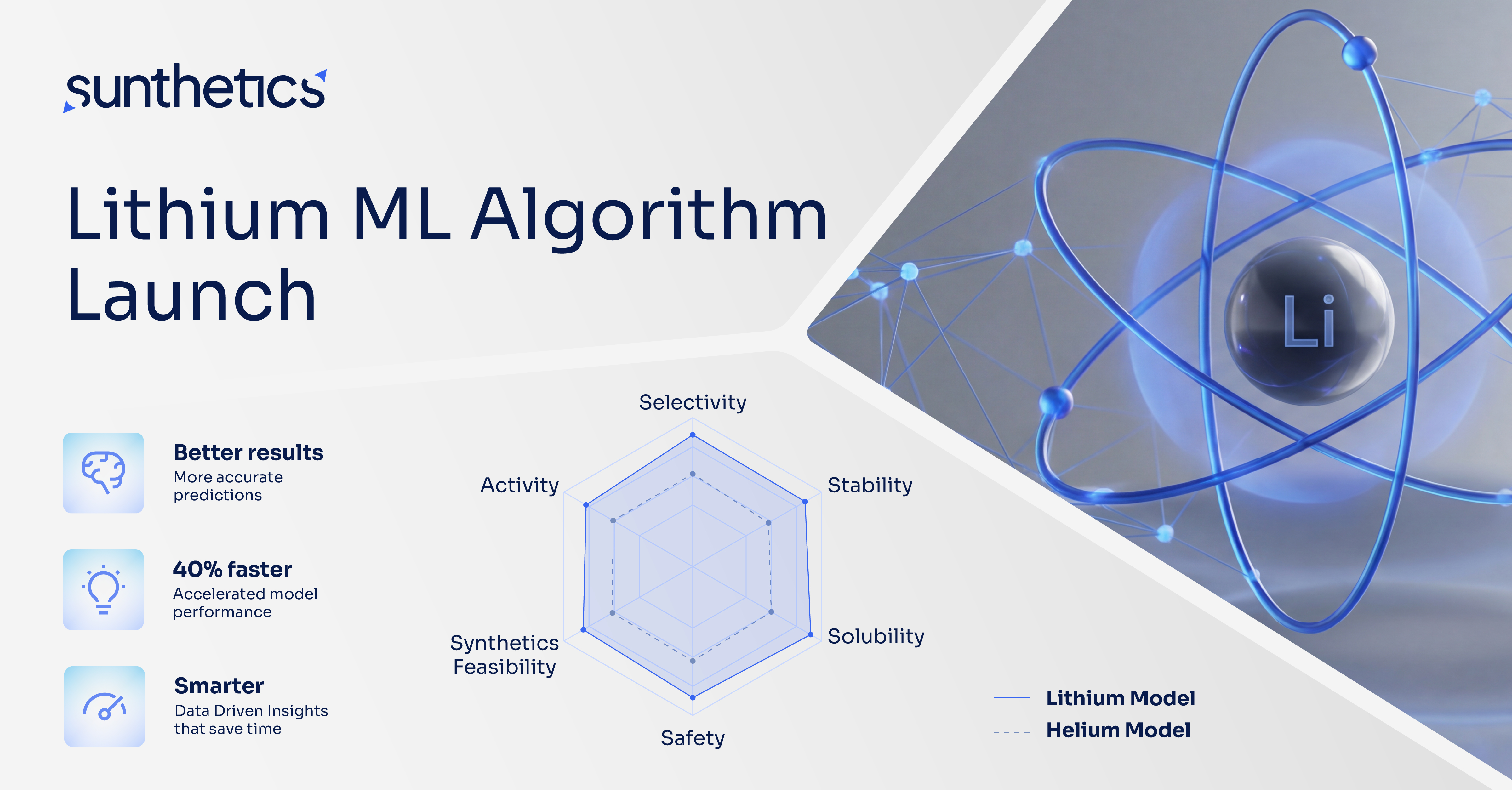
Introducing Lithium: Faster Results, Smarter Optimization and More Control
Sunthetics launches Lithium, its new default ML algorithm, delivering 40% faster results, variable-specific modeling, and new campaign optimization controls for pharmaceutical and chemical R&D teams.
Continue reading
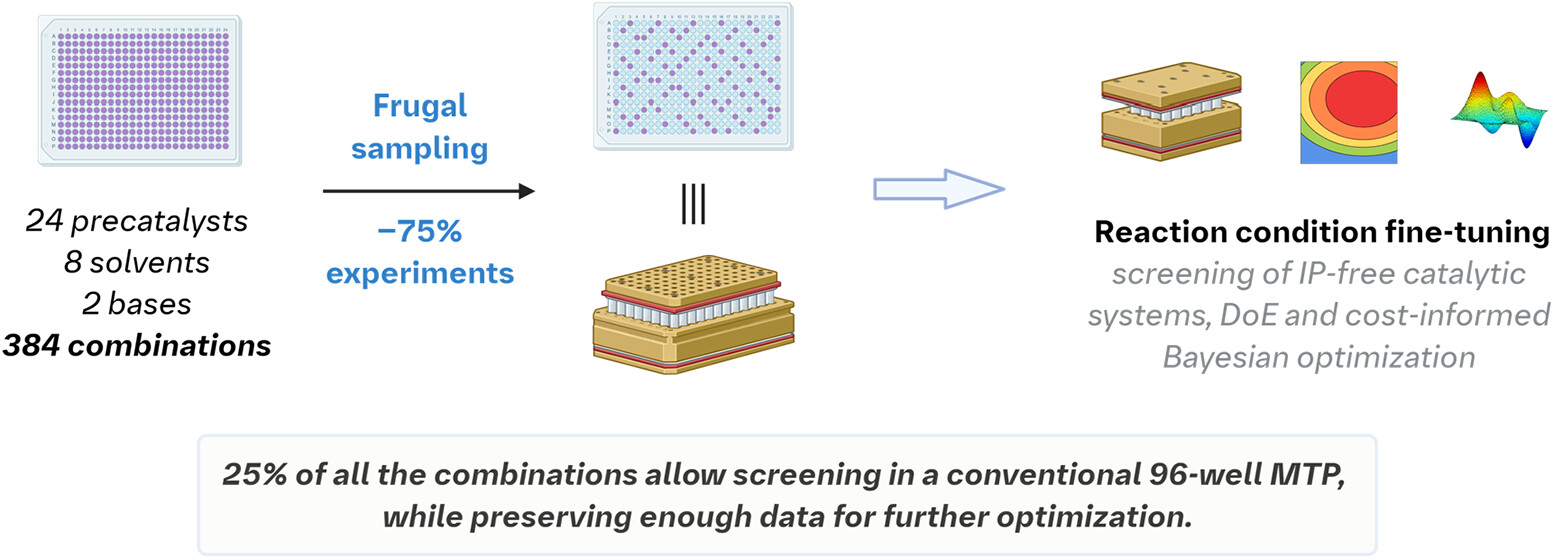
Frugal Sampling Strategies for Navigating Complex Reaction Spaces
Sunthetics partnered with Boehringer Ingelheim to develop frugal sampling strategies that explore broad chemical spaces using only 25% of the experiments required by traditional full factorial designs. The approach was validated across four metal-catalyzed cross-coupling reactions and, in one case study, was paired with SuntheticsML's Bayesian optimization to identify cost-effective reaction conditions.
Continue reading
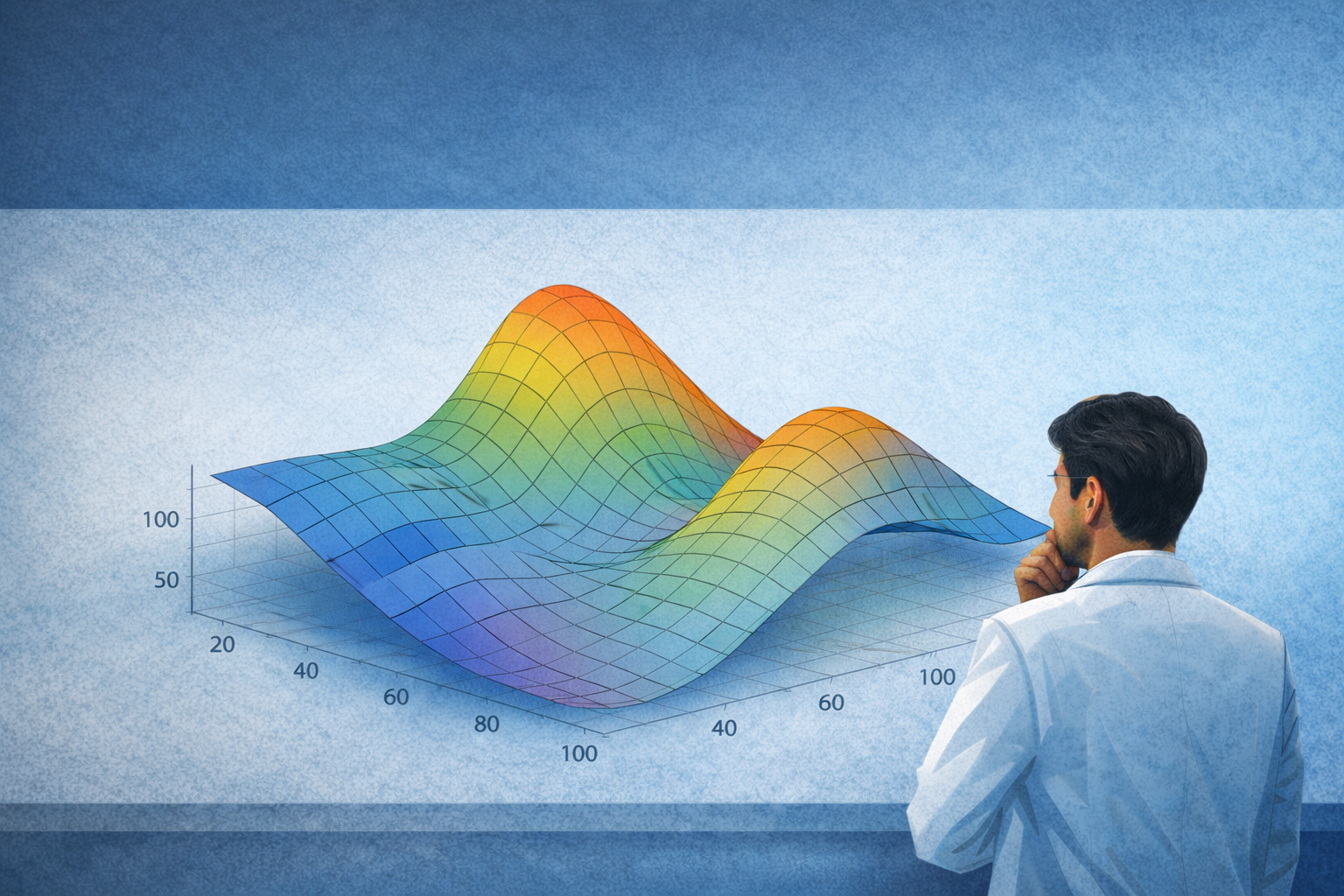
Bayesian Optimization for Chemical and Pharmaceutical Process Development
Bayesian optimization enables faster, more efficient experimental design in chemical and pharmaceutical R&D by adapting each experiment based on prior results. Unlike traditional DOE, it excels in data-scarce, high-dimensional, and noisy environments—common in real-world process development. However, applying it in practice introduces challenges, including limited data, experimental noise, mixed variable types, and high experimental costs. A hybrid approach combining BO and DOE often delivers the most effective results.
Continue reading
The Limits of Traditional DOE: What R&D Leaders in Pharmaceuticals Need to Know
Design of Experiments has been the backbone of pharmaceutical R&D for decades, and for good reason. But as formulation complexity grows and experimental budgets tighten, understanding where DOE breaks down is as important as knowing how to run it.
Continue reading
How Machine Learning is Powering Innovation in Freeze Drying
A new peer-reviewed study in Chimica Oggi – Chemistry Today showcases how scientists used SuntheticsML to model and optimize spray freeze drying and dynamic lyophilization. The platform enabled predictive modeling, faster insights, and smarter experimentation—advancing AI-driven innovation in pharmaceutical manufacturing.
Continue reading
Merck and Sunthetics Win 2025 ACS Green Chemistry Award for Algorithmic Process Optimization
Sunthetics and Merck received the 2025 ACS Green Chemistry Award for their work on APO, a machine learning platform that streamlines pharmaceutical R&D. By reducing waste and speeding up development, APO marks a major step toward smarter, more sustainable innovation.
Continue reading
SOC 2 Compliance at Sunthetics
SOC 2, or Service Organization Controls 2, is a framework governed by the American Institute of Certified Public Accountants (AICPA). Through a SOC 2 audit, an independent service auditor reviews an organization’s policies, procedures, and evidence to determine if their controls are designed and operating effectively. A SOC 2 report communicates a company’s commitment to data security and the protection of customer information.
Continue reading